About the Show
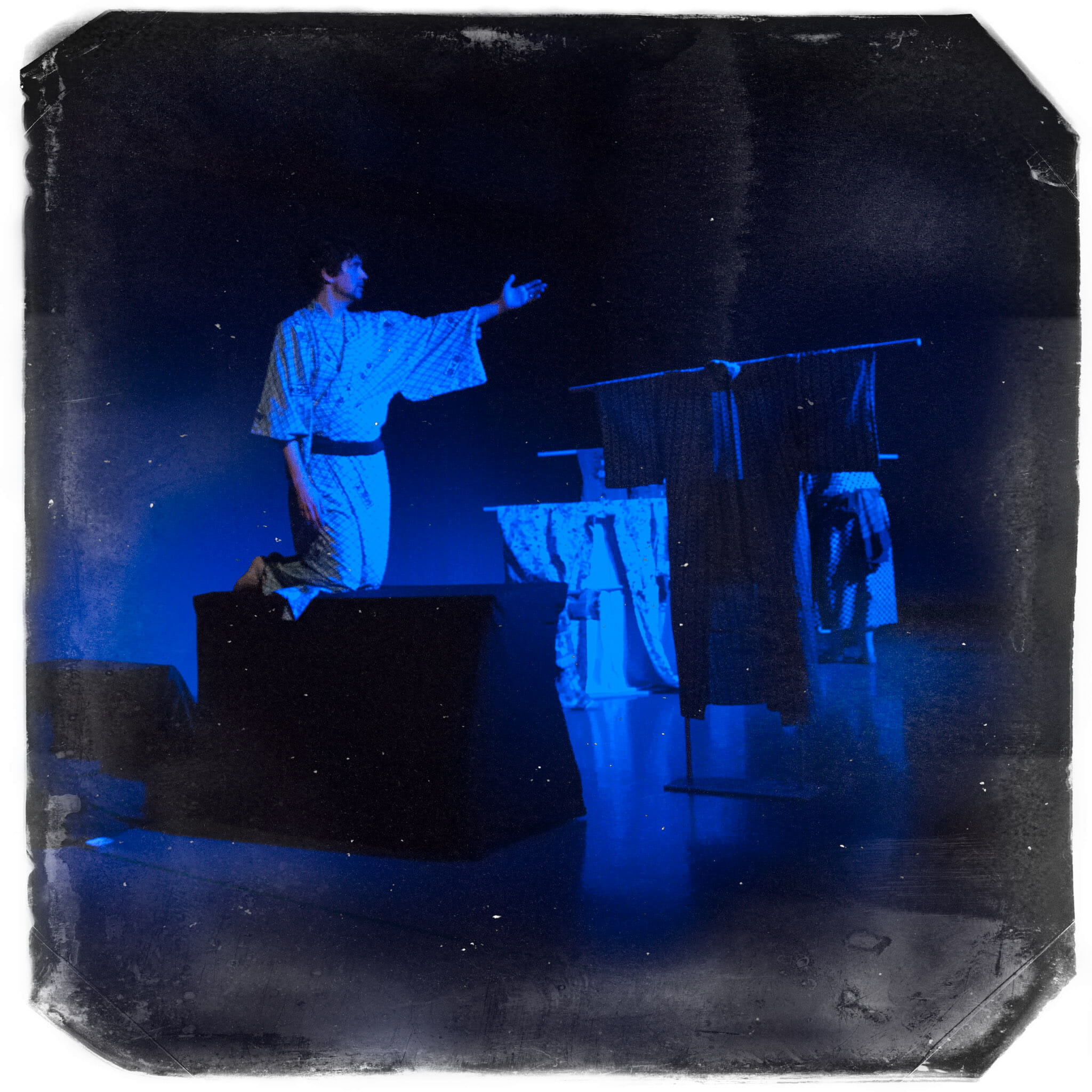
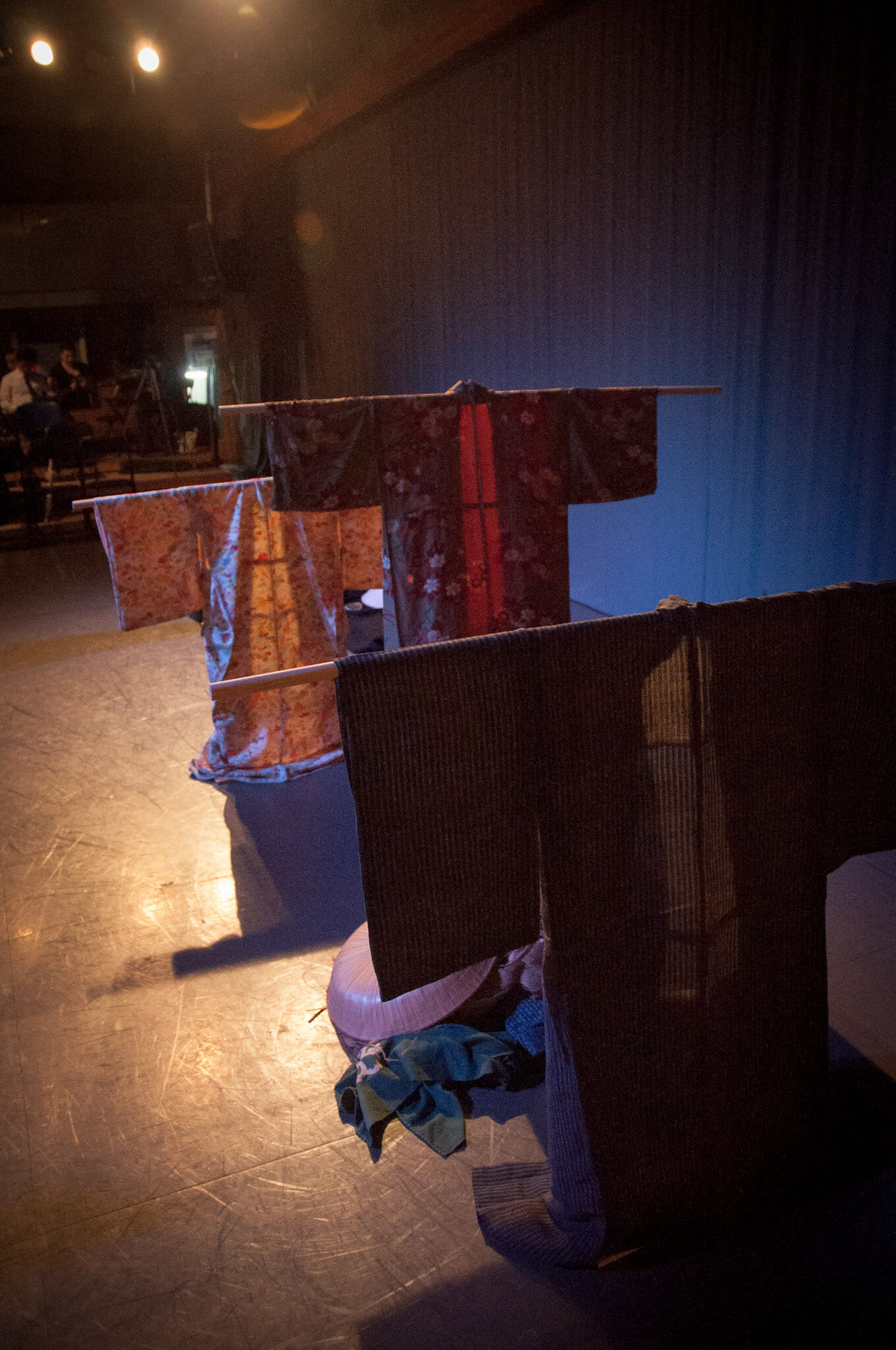
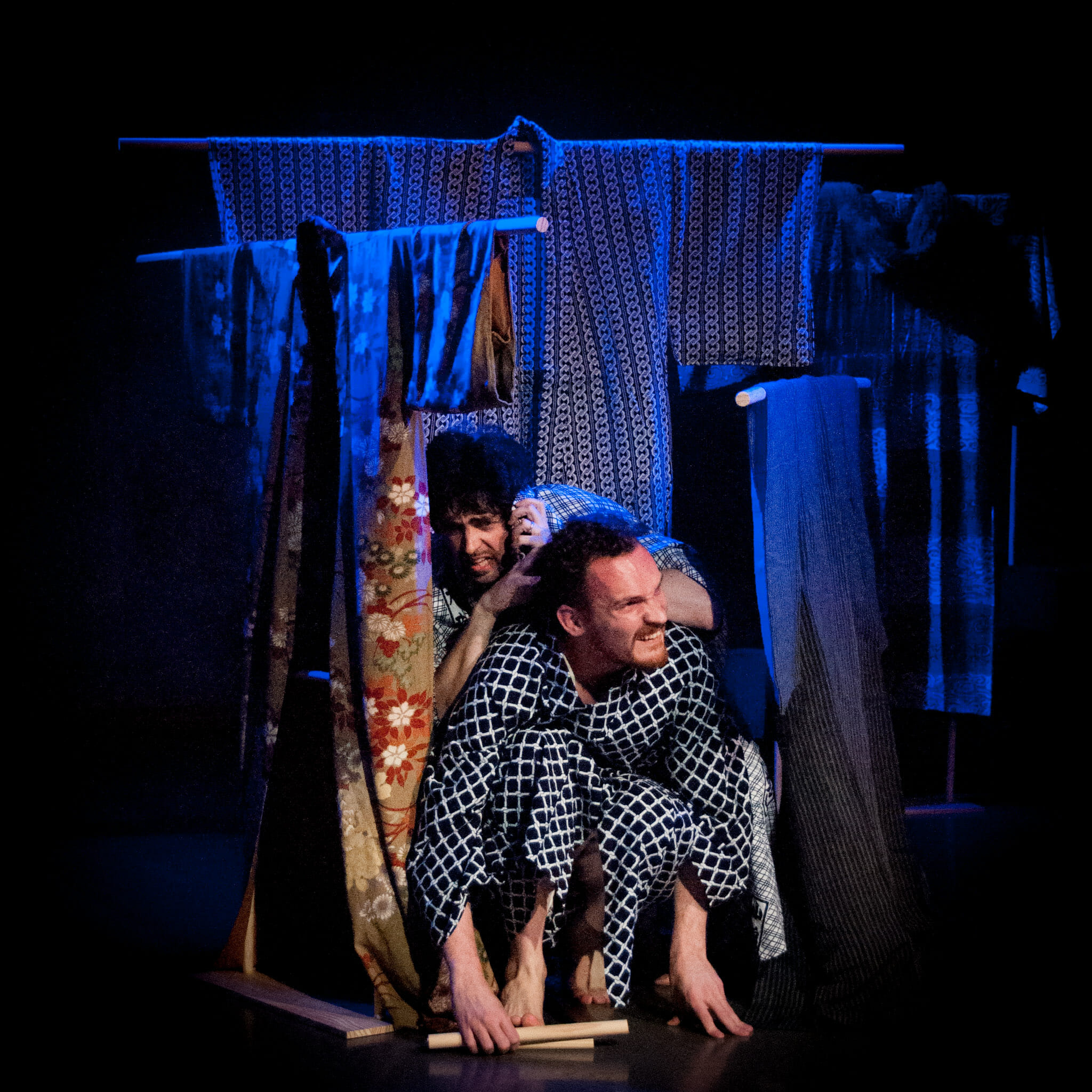
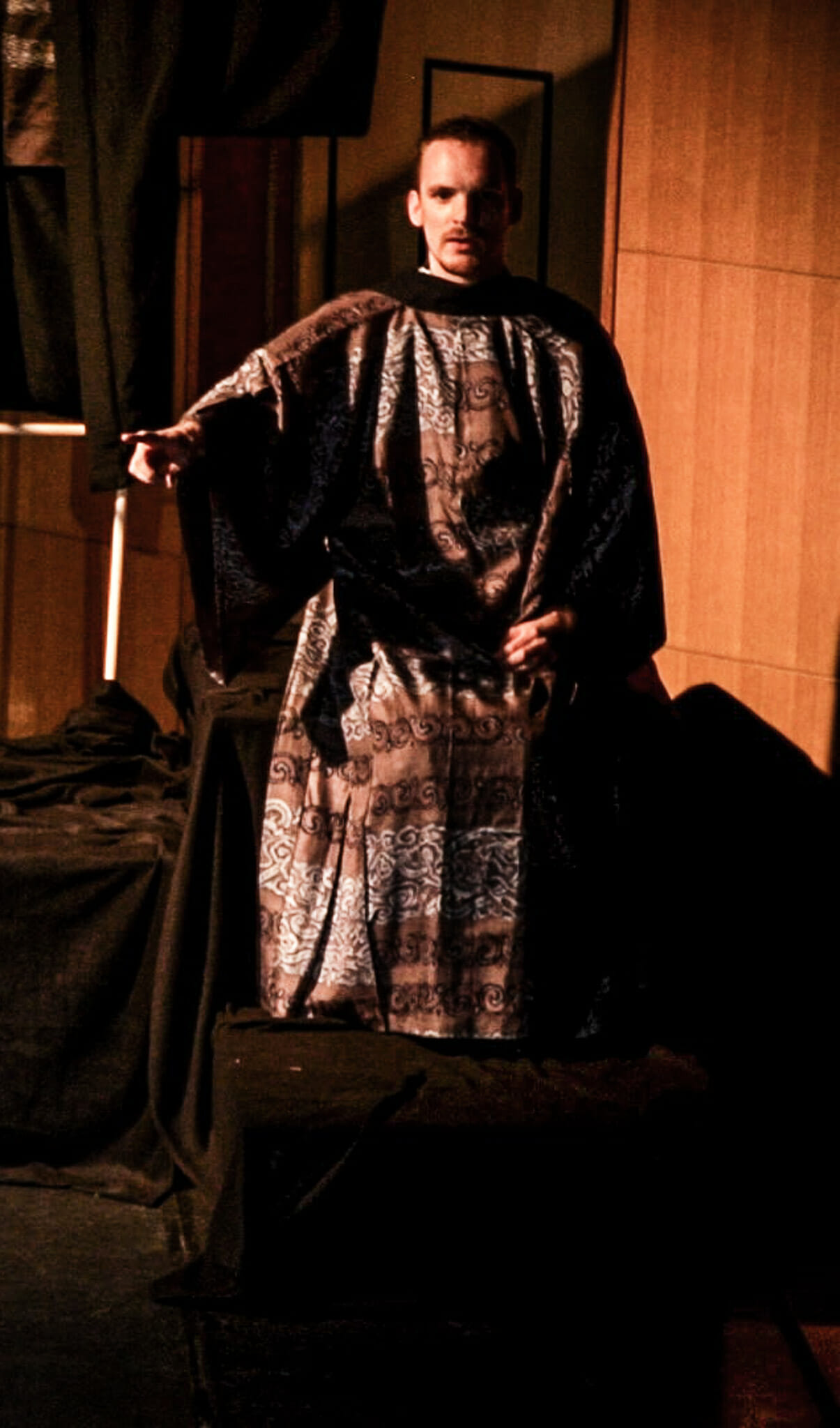
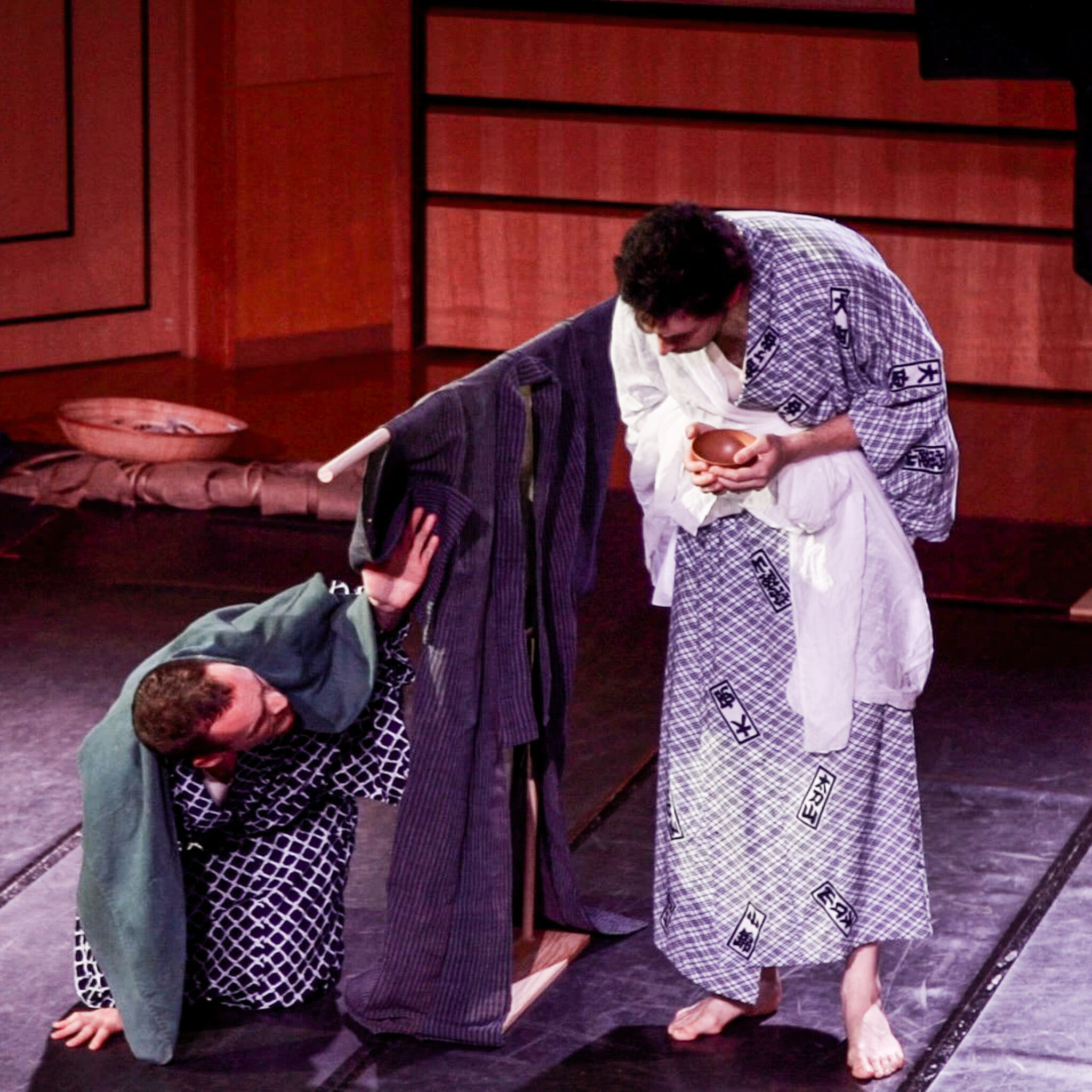
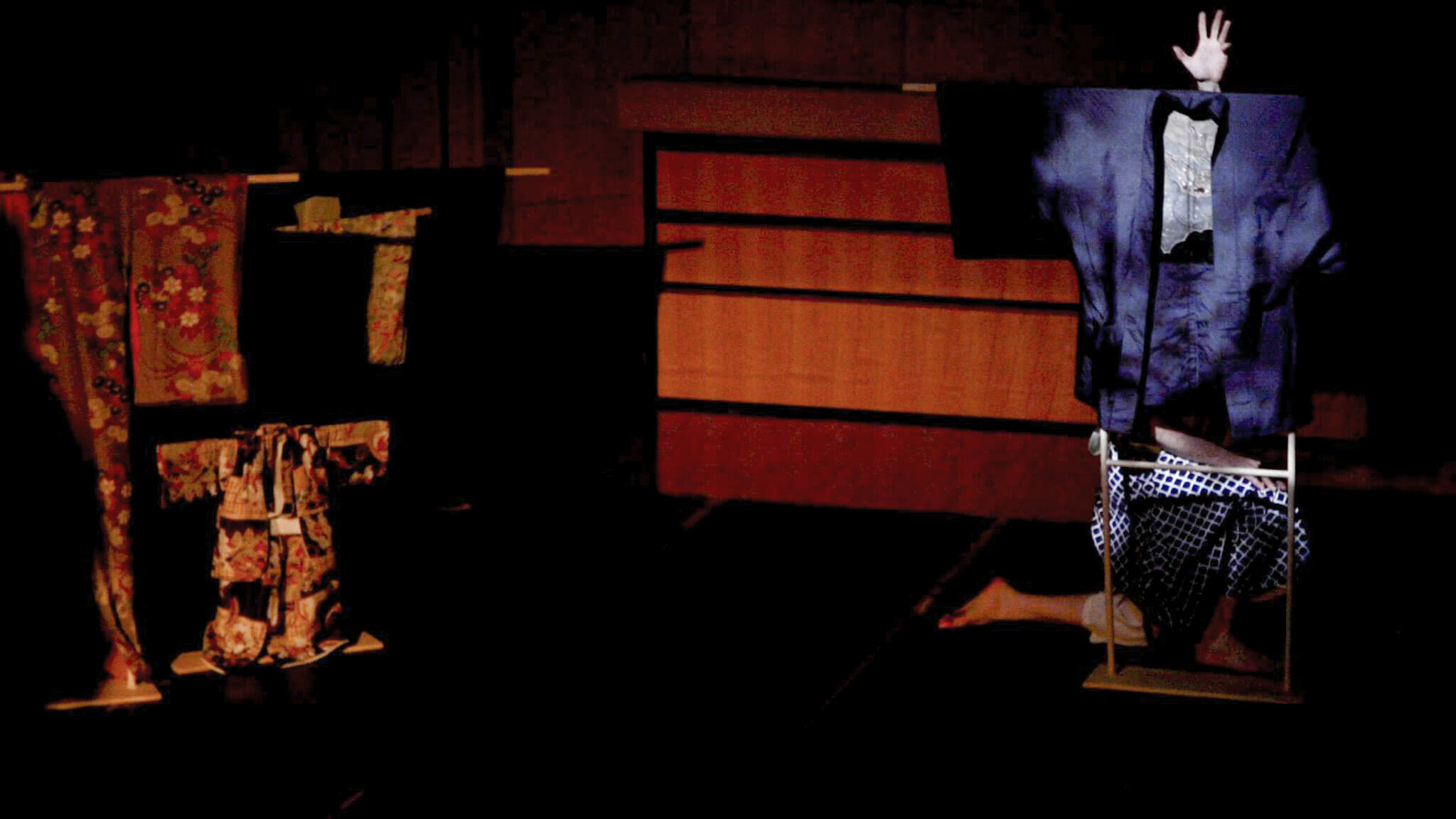
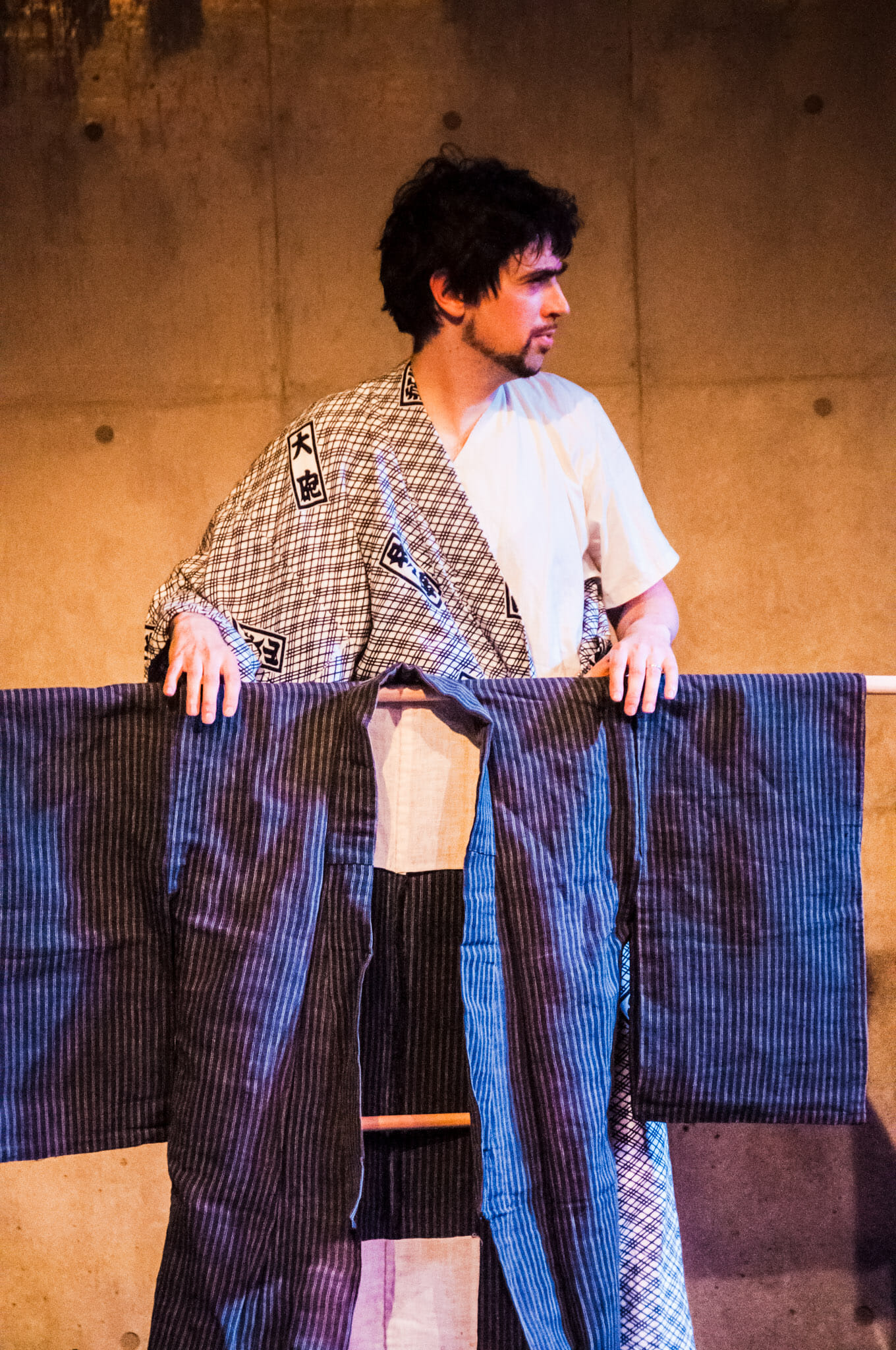
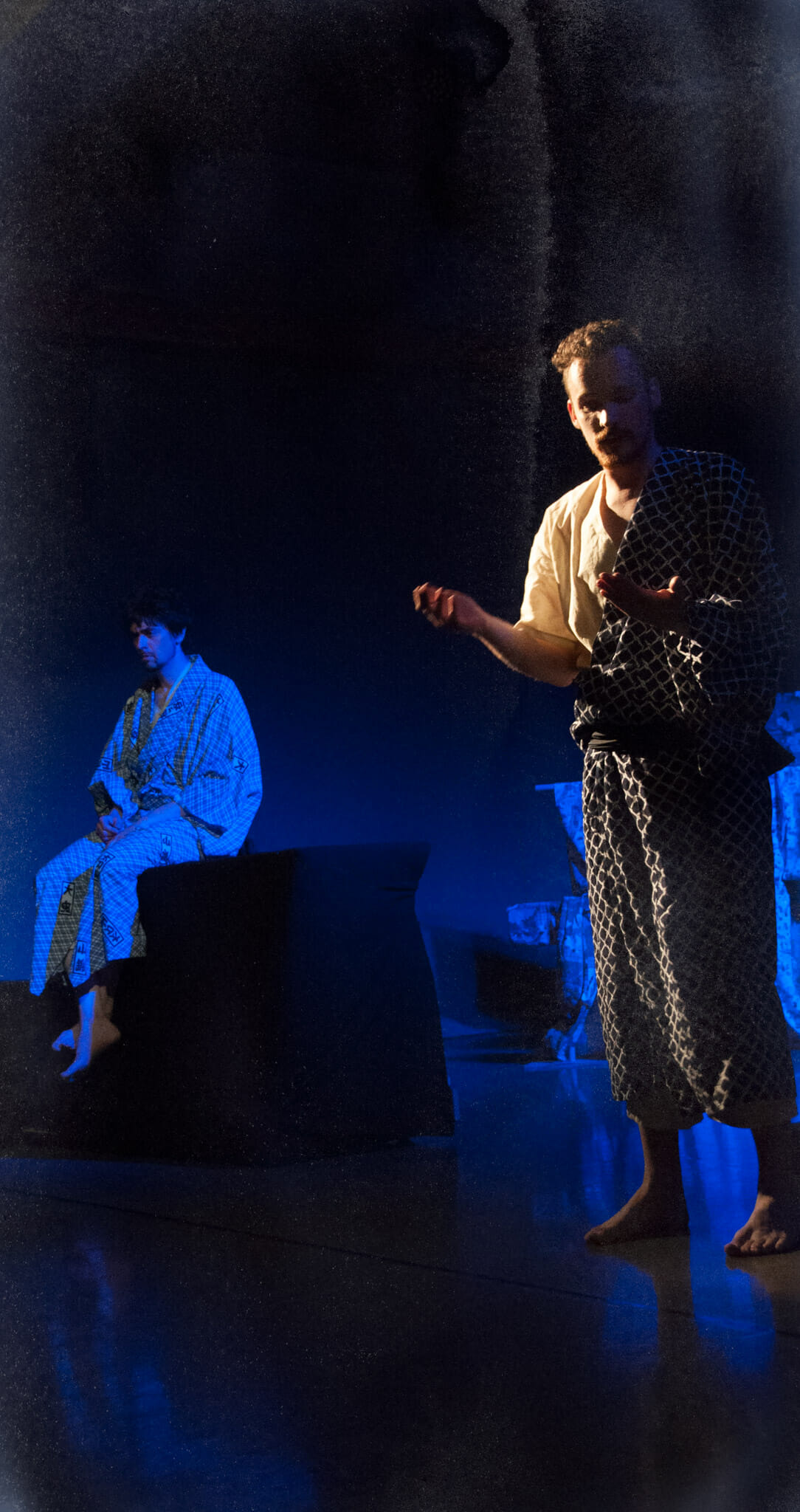
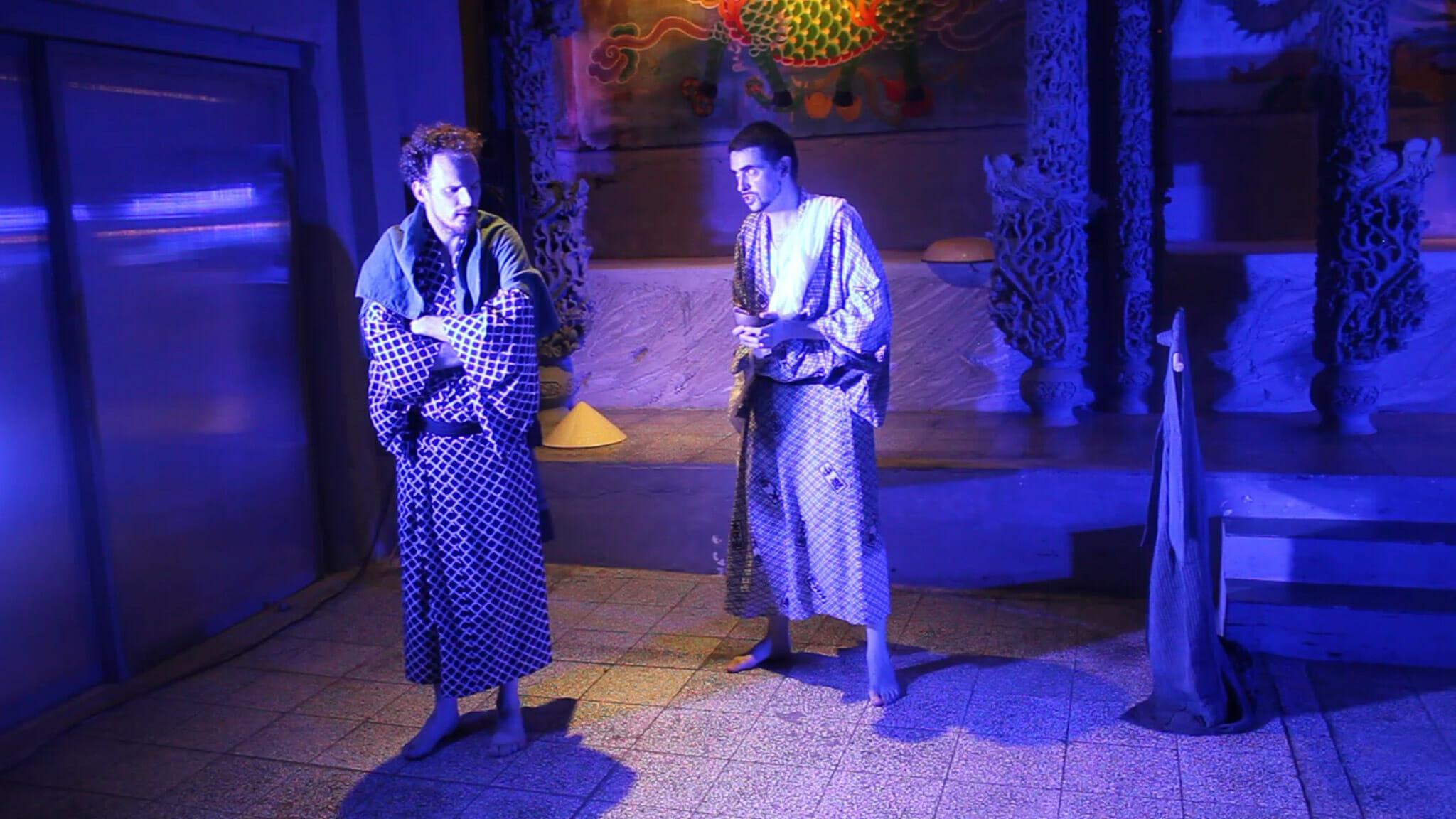
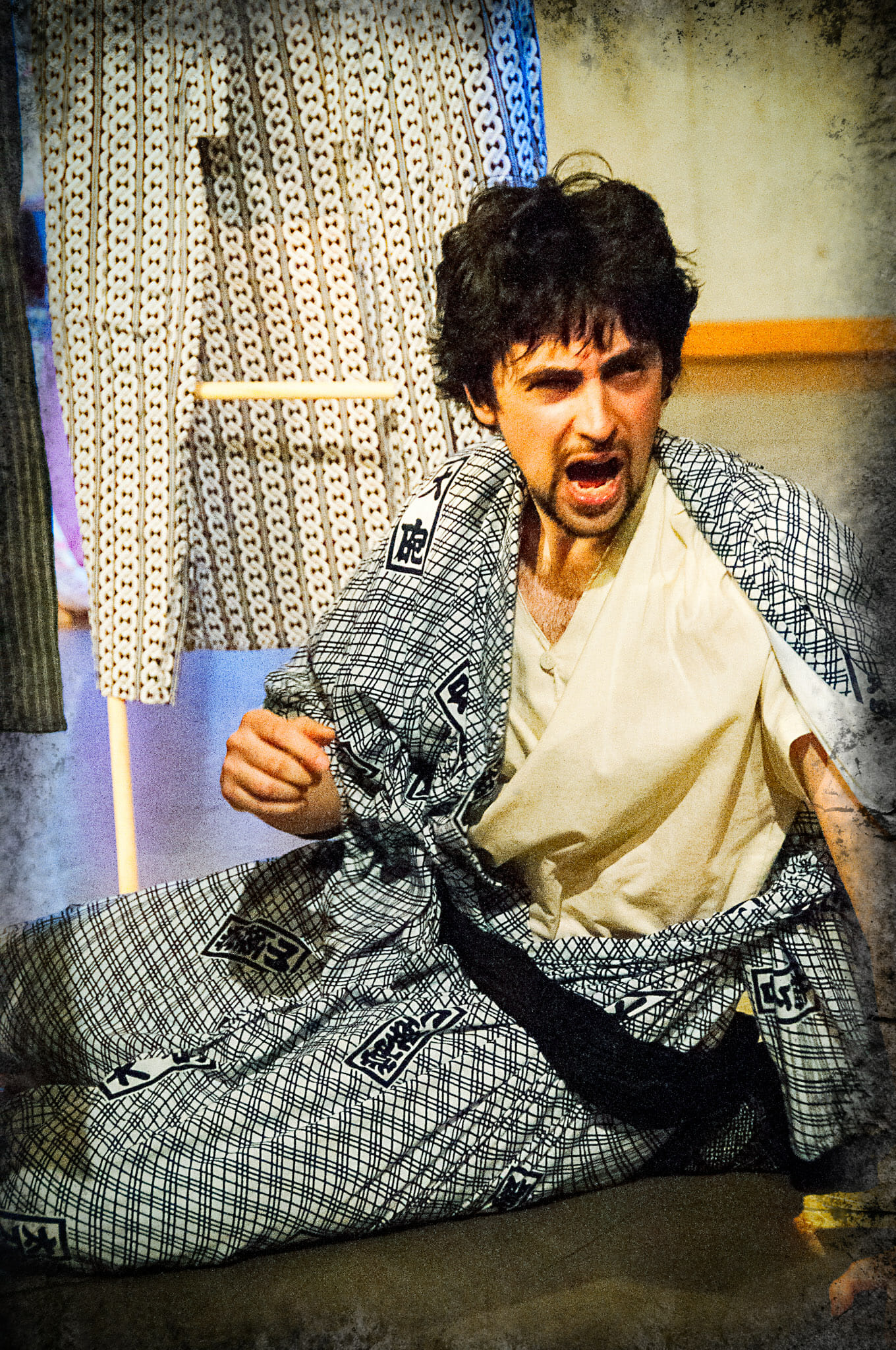
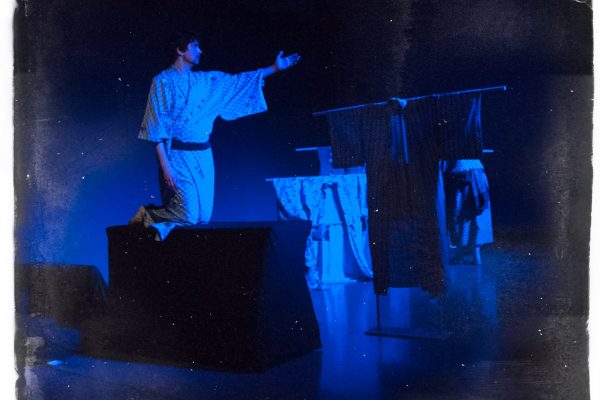
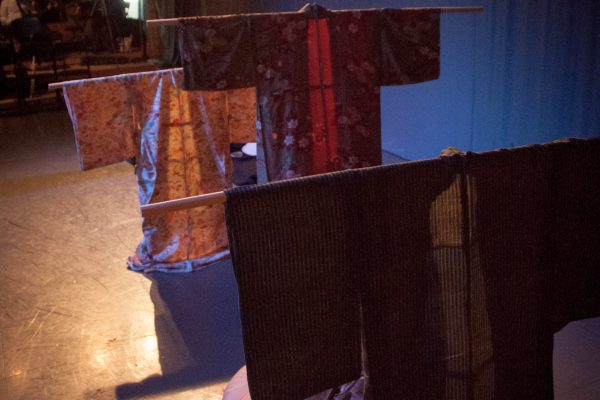
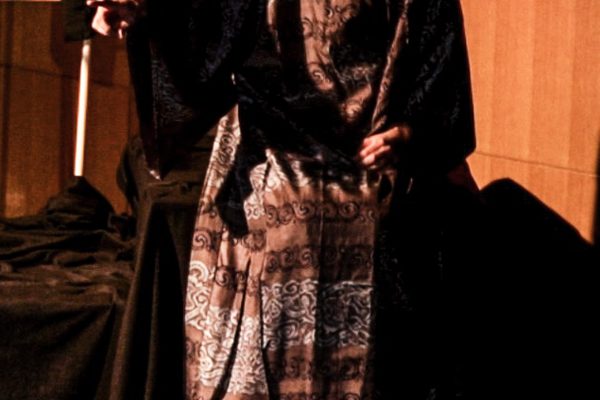
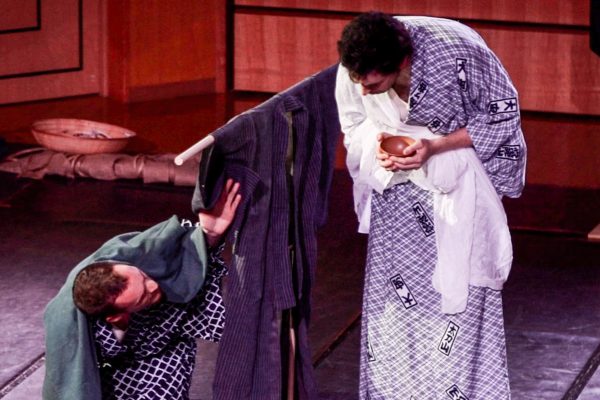
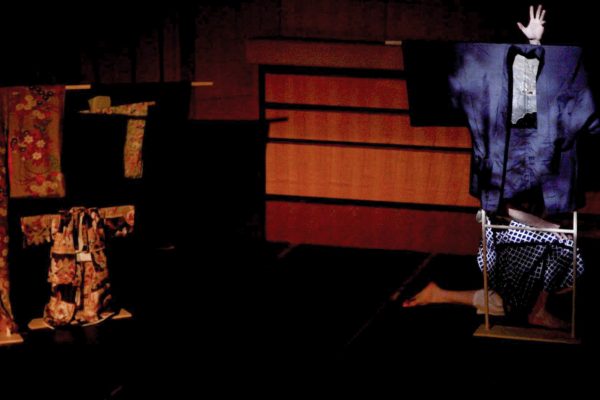
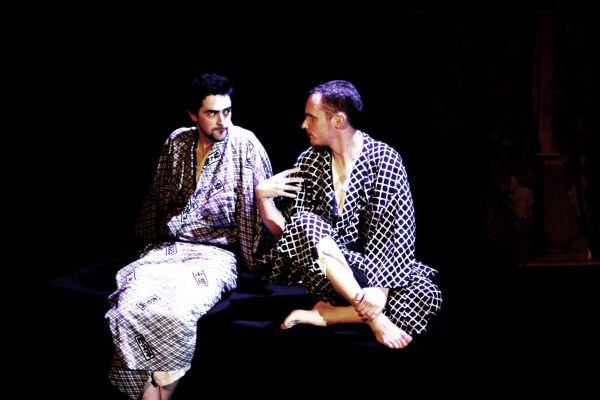
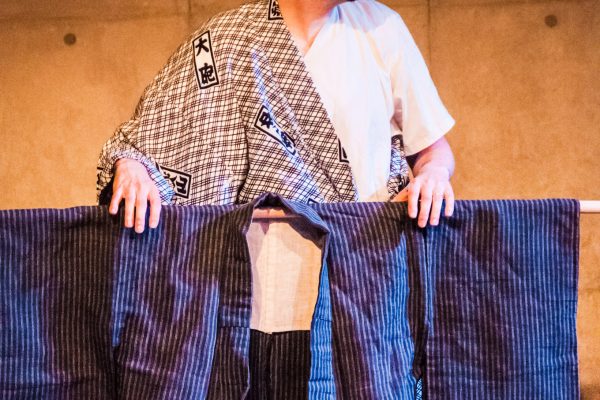
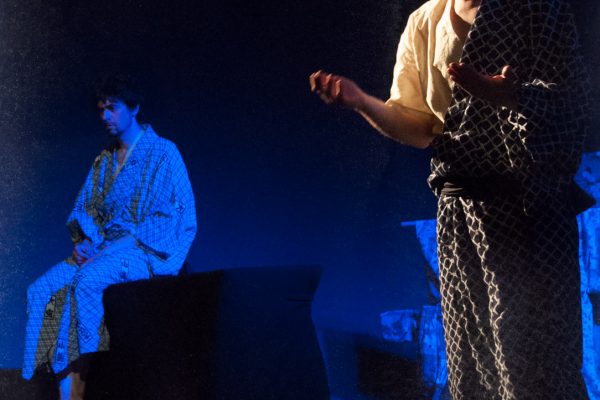
In 12th century Japan three men are exiled from the capital to Kikaigashima – the Island of Demons. There, to stave off despair and isolation, and to appease the spirits, they begin to tell stories; stories of their own lives, parables they remember from childhood, and even predictions of how life will be.
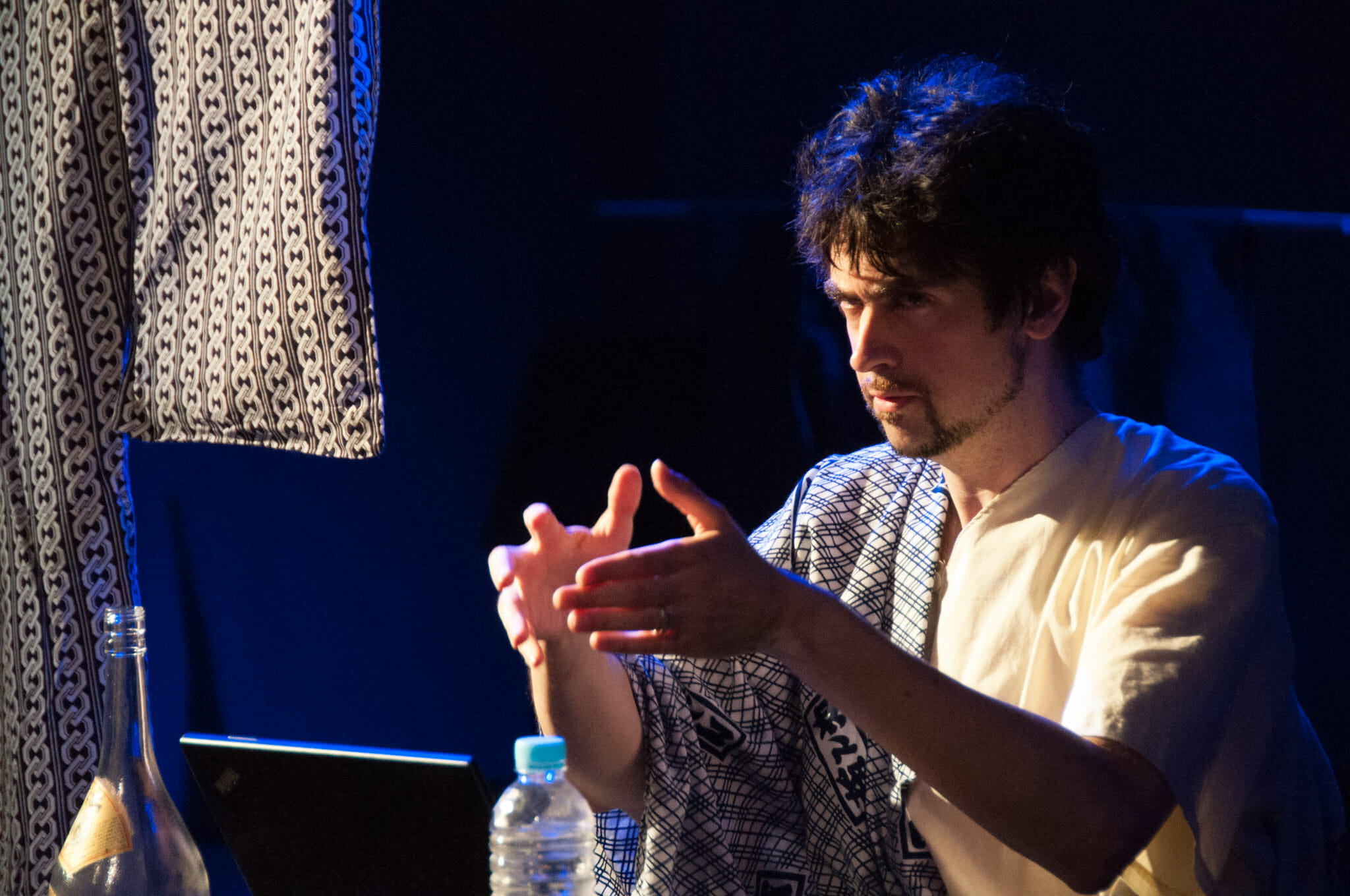
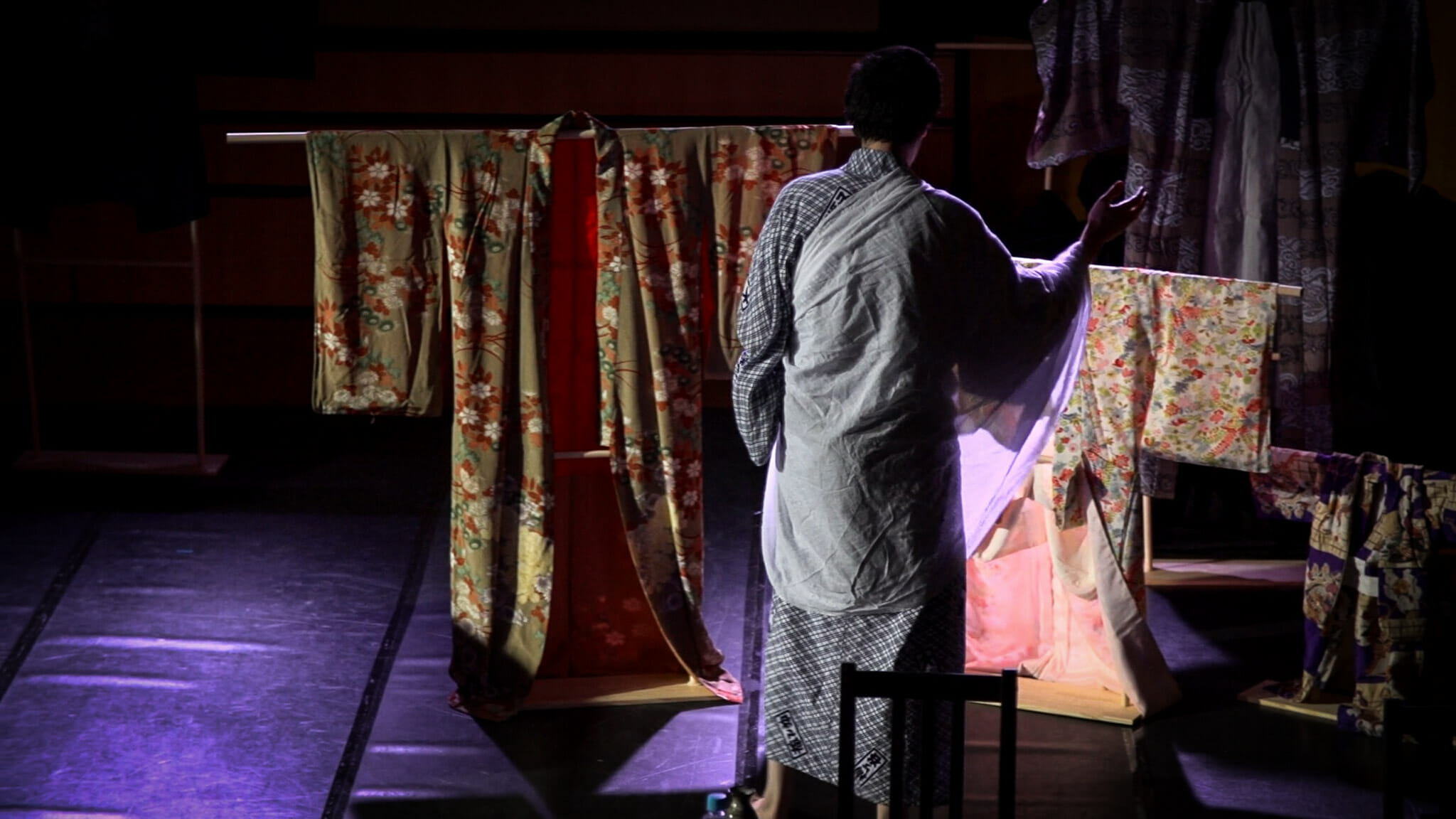
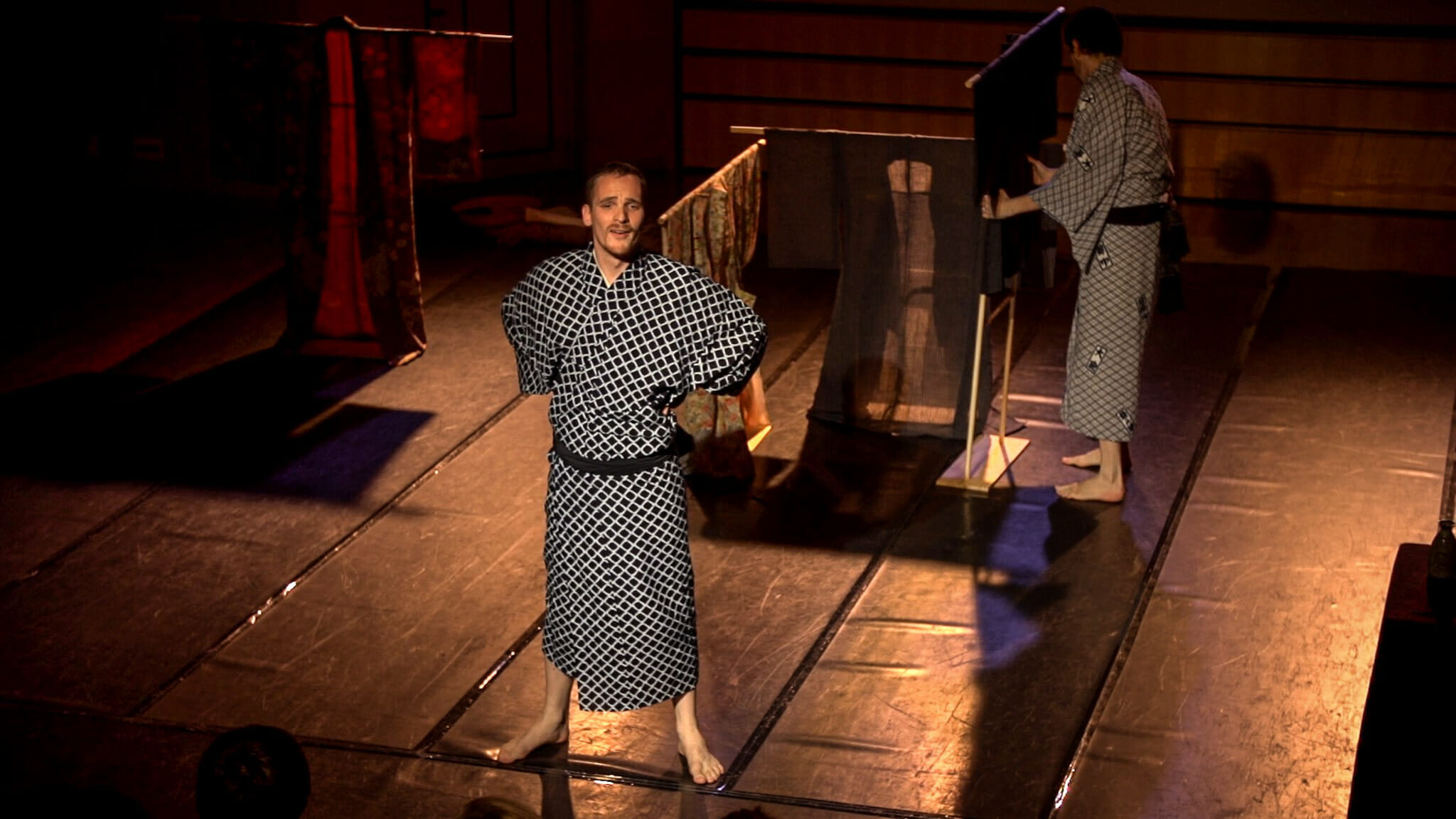
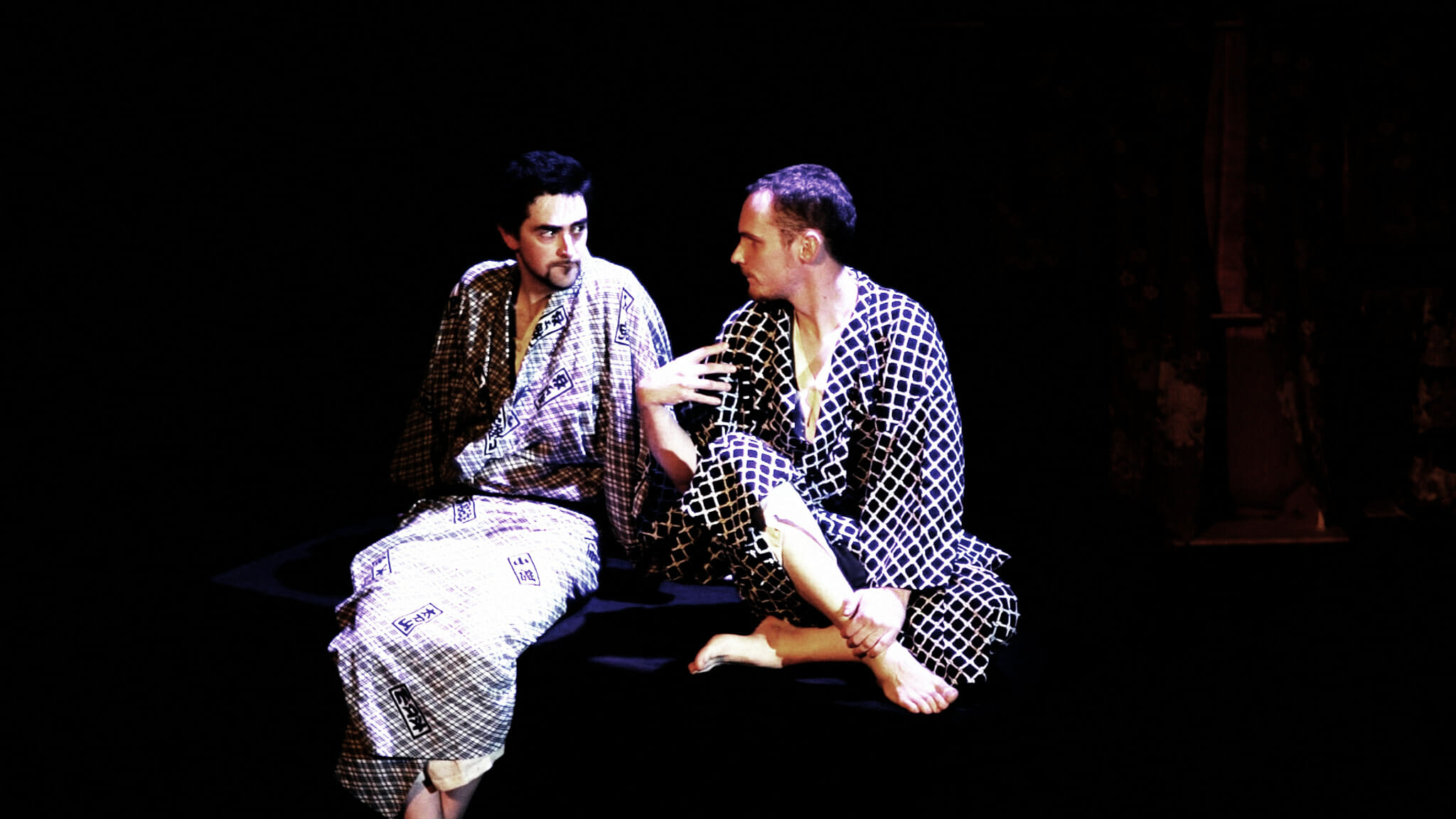
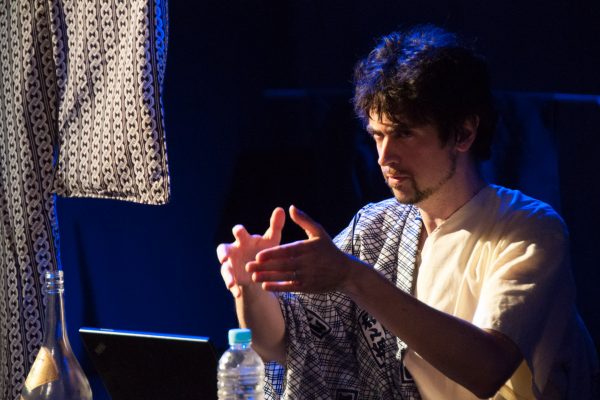
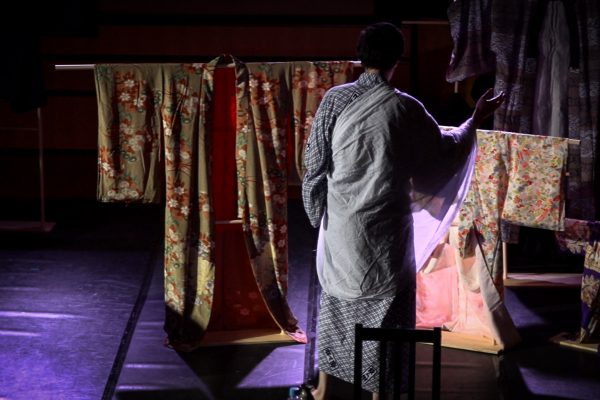
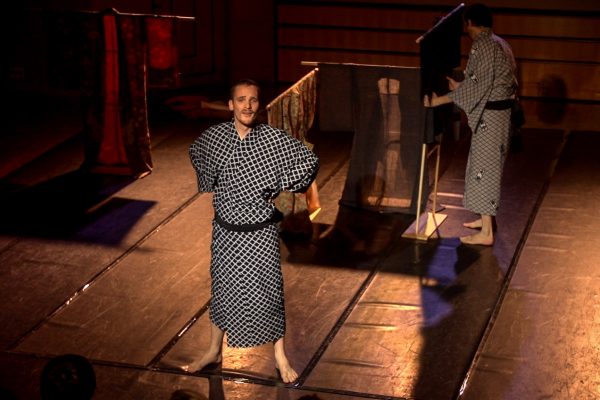
Meanwhile, in 21st century Japan, two men are telling their own story – the story of the exiles on Kikaigashima. They are looking back through history and legend. Their sources: Noh theatre, kabuki plays, and the Heike Monogatari.
But as the narrative unfolds and the two stories begin to weave together, the roles and boundaries begin to blur– are we spinning a yarn or recounting history? Are they telling tales or seeing into the future?
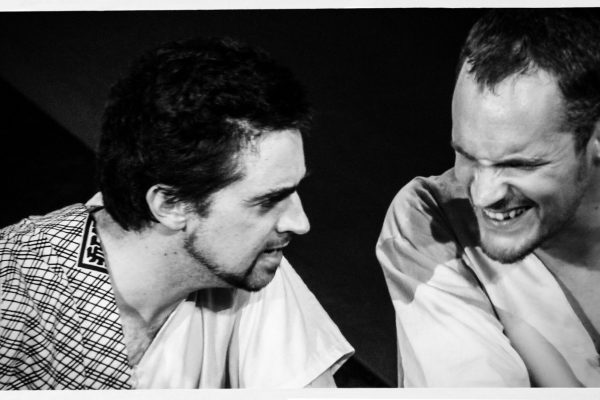
Kikai-ga-shima is a play about telling stories in the theatre. What is it about being in a theatre that allows an audience to pretend that the story they’re being shown is real? When we watch a play, we suspend our disbelief, but we know in the backs of our minds that some things are more real than others. The actors are real, for instance, but the characters are not. But are the performers really any more real than the characters they portray, and how do we decide that, really?
If this all sounds like the show is stuck way too far up its own fundament(als), please be advised that the show also contains jokes.
Kikai-ga-shima was developed as part of a commission for an ISTA (International School Theatre Association) festival in Yokohama, later, it was re-staged in Kawasaki and again in the 2015 Taipei Fringe.


![MVI_5153.MOV_snapshot_06.31_[2016.01.02_17.55.30]](https://staging.ytg.jp/wp-content/uploads/2019/02/MVI_5153.MOV_snapshot_06.31_2016.01.02_17.55.30-600x400.jpg "MVI_5153.MOV_snapshot_06.31_[2016.01.02_17.55.30]")